
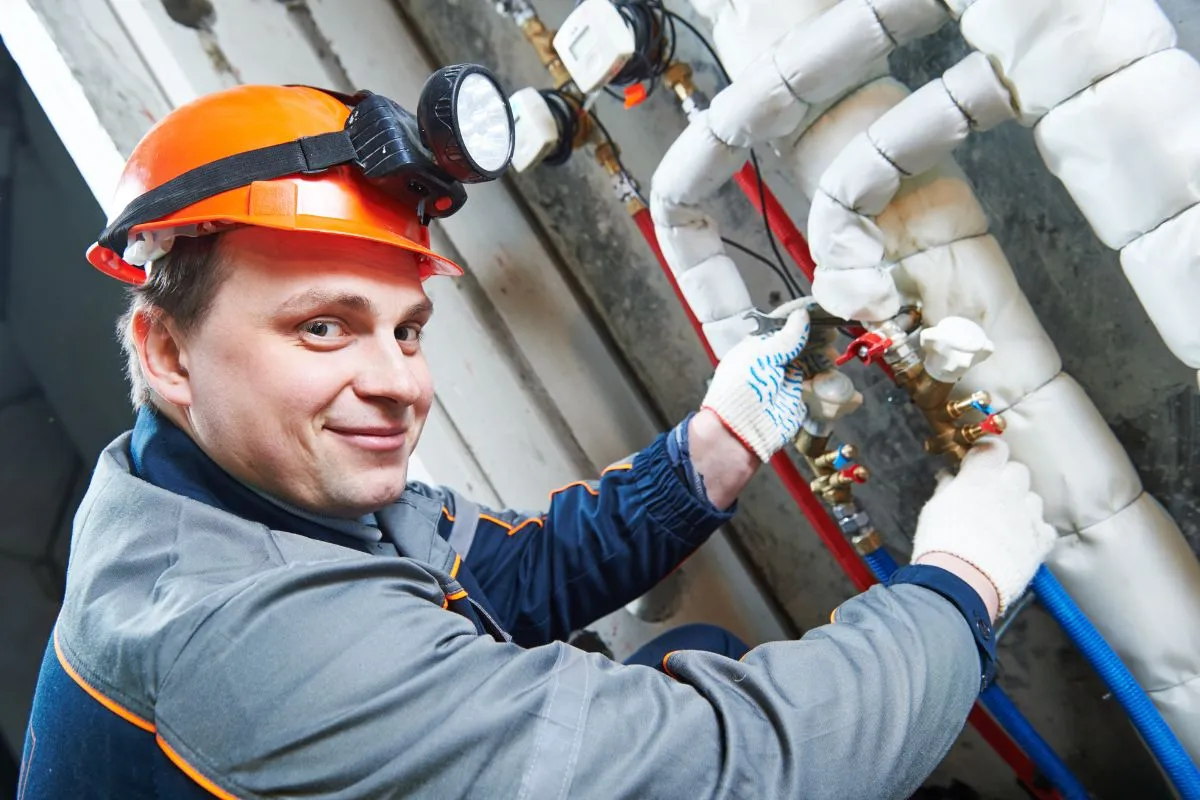
Ever wondered how often you should check those pipes? Keeping your plumbing in top shape saves you from unexpected headaches. Regular inspections prevent costly repairs and ensure your home stays safe and sound. Dive into this guide and discover why scheduling pipe inspections might just be your smartest move yet.
Sommaire
ToggleUnderstanding the importance of pipe inspections
Pipe inspections play a vital role in maintaining a safe home. They help prevent costly repairs by identifying issues early. Regular checks ensure your plumbing remains efficient. Consider these reasons:
- Early detection of leaks and corrosion
- Enhances water quality
- Prolongs pipe lifespan
- Reduces emergency repairs
Additionally, camera inspection insights provide a clear view of hidden problems, making it easier to address them promptly.
Preventing costly plumbing issues
Regular pipe inspections play a crucial role in preventing expensive plumbing issues. They help identify potential problems early, such as leaks or corrosion, that could lead to significant damage if left unchecked. By scheduling routine checks, you maintain the integrity of your plumbing system, ensuring long-term savings. Incorporating benefits of camera inspection allows you to detect issues without intrusive methods, making it an efficient choice. Keep your home safe and avoid unexpected repair costs with timely inspections.
Ensuring the safety of your home
Ensuring the safety of your home relies on regular pipe inspections. These checks identify potential risks before they escalate. Consider these steps to protect your property:
- Schedule annual inspections to catch hidden leaks.
- Install water sensors to detect leaks early.
- Replace outdated piping with durable materials.
Proactive measures maintain your home’s safety and value.
How often should you schedule a pipe inspection?
Regular pipe inspections every two years maintain your plumbing health. Older homes or those with large trees may need more frequent checks. Seasonal changes or visible signs of wear suggest inspections sooner. Consulting a plumbing expert ensures the right inspection schedule for your home.
General guidelines for frequency
Scheduling a pipe inspection every two to three years generally suffices for most homes. This timeline helps in spotting potential issues before they escalate. However, older homes might require more frequent checks due to aging infrastructure. If you’ve experienced plumbing problems in the past, increasing inspection frequency can prevent recurrence. For properties with extensive landscaping, consider inspections more often, as roots might invade pipes. Regular inspections safeguard your home’s plumbing system and help maintain its value. By staying proactive, you avoid costly repairs and ensure a safe living environment.
Factors affecting inspection frequency
Several factors influence how often you should schedule a pipe inspection. Consider these key elements to ensure your plumbing remains in top condition:
- Age of your plumbing system
- Type of pipes used
- Local water quality
Older systems and poor water quality demand more frequent checks. Regular assessments help maintain home safety and prevent costly issues. Utilizing advanced methods like innovative video pipe inspection can enhance accuracy and efficiency.
Signs that you need a pipe inspection sooner
Notice unusual symptoms in your plumbing? Scheduling a pipe inspection becomes crucial. Here are common warning signs:
- Unexplained increase in water bills
- Persistent foul odors from drains
- Water stains on walls or ceilings
If you notice these, act quickly. Contact a licensed plumber to assess the situation. Ignoring these signs can lead to costly repairs. Stay proactive. Protect your home by addressing issues early.
Common warning signs to watch for
Keep an eye out for these common warning signs to know when your pipes might need attention:
- Slow drainage in sinks or tubs
- Unusual odors from drains
- Gurgling sounds in pipes
- Frequent clogs
- Discolored water
Consider using video inspection tools to identify hidden drain problems before they escalate.
What to do if you notice these signs
If you notice warning signs like unusual odors, slow drains, or water stains, contact a licensed plumber immediately. Prompt action prevents further damage and costly repairs. Consider scheduling a comprehensive inspection to assess the overall condition of your plumbing system.
Choosing the right professional for your pipe inspection
Finding the right professional for a pipe inspection ensures peace of mind. A qualified plumber identifies issues early, saving you from costly repairs. Consider these factors when choosing your expert:
- Licensing and certification
- Years of experience
- Client reviews
- Insurance coverage
- Service guarantees
- Transparent pricing
Credentials to look for in a plumbing expert
Seek a plumber with a valid license and insurance. Check for certifications like Master Plumber or Journeyman status. Experience in residential plumbing matters too. Read customer reviews for reliability insights. Ensure they offer transparent pricing.
Questions to ask before hiring
Ask about the plumber’s certifications and insurance. Inquire about their experience with pipe inspections. Request a detailed estimate and timeline for the work. Check for references or online reviews to ensure reliability.
Maintaining your plumbing system between inspections
Regular maintenance keeps your plumbing system in top shape. Check for leaks under sinks and around toilets to prevent water damage. Use strainers in your sinks to catch debris and avoid clogs. Flush your water heater annually to remove sediment and ensure efficiency. Consider using enzyme-based drain cleaners to maintain clear pipes. Inspect visible pipes for corrosion and call a plumber if you notice any issues. Keeping up with these tasks helps prevent costly repairs and extends the life of your plumbing system.
Simple tips for routine maintenance
- Check for leaks under sinks and around toilets.
- Clear drains with a natural solution monthly.
- Inspect exposed pipes for corrosion or damage.
- Test water pressure to ensure optimal flow.
Regular upkeep prevents serious plumbing issues. These simple tips help maintain your system, protecting your home’s value and safety.
Products and tools that can help
Invest in a quality drain snake and a reliable plunger for minor clogs. Use enzymatic drain cleaners to break down organic matter safely. Consider water leak detectors to alert you of potential issues. A pipe wrench proves invaluable for tightening loose connections, while pipe insulation helps prevent freezing during colder months.
FAQ
What is the recommended frequency for residential pipe inspections?
For most homes, schedule a pipe inspection every two years. This helps prevent issues and keeps your plumbing system in top shape.
How do different weather conditions impact pipe inspection frequency?
Extreme climates, like harsh winters, may require more frequent inspections. Check pipes annually in such conditions to avoid damage.
Should older homes have more frequent pipe inspections?
Yes, older homes with aged plumbing may need annual inspections. This ensures any potential problems get caught early, avoiding costly repairs.