
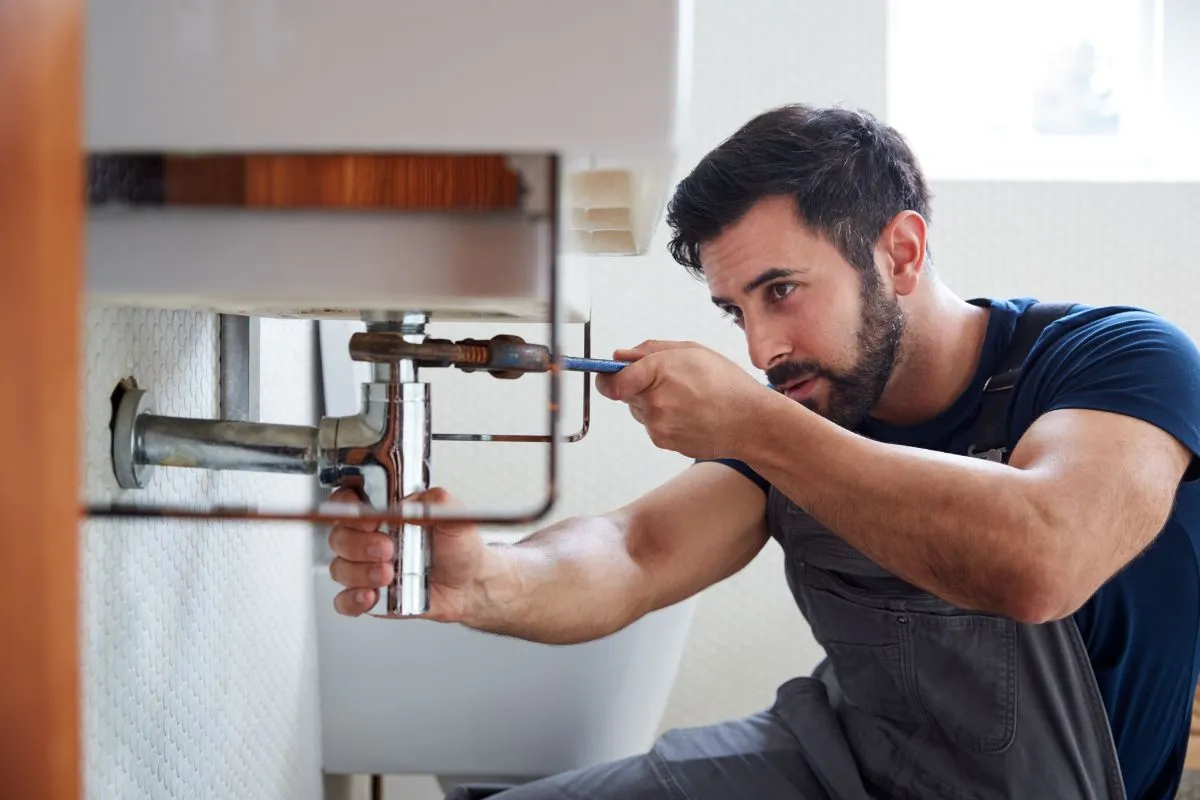
Owning a home comes with its challenges, especially when dealing with pipe damage repair. Ever noticed strange noises or damp spots? These might be signs of underlying issues. Unchecked, they lead to costly repairs. Let’s explore the common causes and find solutions that protect your home from unexpected plumbing troubles. Dive in to learn how to safeguard your investment.
Sommaire
ToggleCommon causes of pipe damage
Pipe damage often occurs due to several common reasons. Understanding these causes helps in taking preventive measures to protect your home.
- Aging and corrosion
- Tree root intrusion
- Extreme weather conditions
Corrosion weakens pipes over time, causing leaks and bursts. Tree roots invade underground pipes, leading to blockages and breaks. Weather changes can cause pipes to expand and contract, creating stress and cracks. In urban areas, frequent pipe leaks often result from these factors.
Aging and corrosion
Aging and corrosion weaken pipes, leading to leaks and bursts. Regular checks and timely replacements help. Consider these steps to manage aging pipes:
- Inspect for rust or discoloration
- Replace old galvanized pipes
- Install corrosion-resistant materials
- Monitor water pressure levels
- Schedule regular plumbing inspections
- Use water softeners to reduce mineral buildup
Tree root intrusion
Tree roots often seek moisture, making them a frequent cause of pipe damage. Roots infiltrate through small cracks, expanding and causing blockages or ruptures. To address this, you might need to remove the roots using mechanical augers or chemicals. For severe cases, consult a professional plumber to repair or replace damaged sections, ensuring your home stays protected.
Extreme weather conditions
Extreme weather conditions like freezing temperatures and heavy rainfall can severely impact your plumbing system. Cold weather may lead to frozen pipes, which can burst and cause significant water damage. Additionally, intense rainfall can overwhelm drainage systems, resulting in backflow and pipe stress.
Identifying signs of pipe damage
Unusual noises or odors often indicate pipe damage. Water stains and dampness on walls signal potential leaks. Watch for indications of pipe blockage that disrupt water flow. Homeowners should also be aware of symptoms of drainage issues like slow draining sinks or tubs. These clues help detect damage early and prevent costly repairs.
Unusual noises and odors
- Gurgling sounds in pipes suggest air trapped inside.
- Banging noises indicate water hammer issues.
- Whistling sounds mean high water pressure.
- Sulfur odors point to sewer gas leaks.
- Moldy smells hint at hidden leaks.
Unusual noises and odors in pipes often signal underlying issues. Addressing these early helps prevent further pipe damage and costly repairs. Stay alert to these signs for a healthy plumbing system.
Water stains and dampness
Water stains and dampness often indicate hidden pipe damage. Look for discoloration on walls or ceilings, as these suggest leaks. Damp areas may breed mold, which harms both health and home value. Check under sinks and near appliances for moisture. Quick detection prevents further damage and costly repairs. Use a moisture meter for accuracy. If you notice persistent dampness, consider professional help to assess and repair potential water leaks. Act swiftly to protect your property.
Steps to repair pipe damage
Begin by turning off the main water supply to prevent flooding. For minor leaks, apply pipe clamps or epoxy putty as temporary solutions. Seek a professional for comprehensive repairs and inspections to ensure long-term safety and efficiency.
DIY temporary fixes
For minor leaks, apply plumbing tape around the damaged area. Use pipe clamps for temporary stabilization. Epoxy putty seals small cracks effectively. Ensure water supply is turned off before repairs. These quick fixes buy time until professional help arrives. Remember, these solutions do not replace professional repair options. Regular checks prevent further damage. Stay vigilant to avoid costly repairs.
Professional repair options
Professional repair options offer reliable solutions for pipe damage. Qualified plumbers ensure long-term fixes. Here are the steps:
- Assess the damage using advanced tools.
- Use trenchless repair techniques to minimize disruption.
- Replace or seal damaged sections effectively.
Exploring the advantages of using a camera during inspections helps in detecting issues early, ensuring efficient and cost-effective solutions.
Preventive measures to avoid pipe damage
Regular inspections help spot early signs of pipe damage. Use pipe insulation to prevent freezing during winter. Check for leaks around faucets and under sinks. Consider installing a water softener to reduce mineral buildup. Keep trees away from underground pipes to avoid root intrusion.
Regular maintenance tips
Regular maintenance ensures your pipes stay in top condition. Consistent checks help prevent costly repairs. Follow these tips to maintain your plumbing system:
- Inspect pipes for leaks or corrosion every six months.
- Clean drains with a mixture of vinegar and baking soda monthly.
- Check water pressure regularly to avoid strain on pipes.
- Insulate pipes in colder areas to prevent freezing.
- Flush water heater annually to remove sediment buildup.
Implement these steps to extend the life of your pipes and protect your home.
Insulation and protective measures
Insulating pipes prevents damage from extreme temperatures. Wrap pipes with foam sleeves or fiberglass to shield them from freezing. Use heat tape for extra warmth in cold areas. Insulation reduces heat loss and saves energy, keeping water hot longer. Protect pipes by securing them with brackets, preventing vibrations and breaks. Consider installing a pipe shield for added safety. These protective measures extend pipe lifespan and reduce repair costs. Regularly check insulation for wear and replace as needed. Protecting your pipes ensures a safe and efficient plumbing system.
When to call a professional plumber
Knowing when to call a professional plumber saves time and money. If you notice constant leaks, low water pressure, or water discoloration, it’s time. Severe blockages or flooding also require expert help. Ignoring these signs leads to costly damage. Choose a licensed and insured plumber for pipe damage repair to ensure safety and efficiency.
Evaluating the severity of damage
To evaluate the severity of pipe damage, start by inspecting visible areas for cracks or leaks. Listen for unusual sounds like banging or whistling, which indicate issues. Check water pressure; a sudden drop suggests serious problems. Look for water stains or damp spots on walls or ceilings. Monitor your water bill for unexpected increases. If DIY fixes don’t last, it’s time to consult a professional plumber for a thorough assessment.
Choosing the right plumbing service
Finding the right plumbing service ensures efficient and lasting repairs. Consider these steps when choosing:
- Check for licenses and insurance.
- Read online reviews and testimonials.
- Request detailed quotes for services.
Utilizing video pipe inspections in Miami provides a non-invasive way to assess pipe conditions.
Answers to frequently asked questions
How does tree root intrusion cause pipe damage?
Tree roots seek moisture and infiltrate small cracks in pipes, causing blockages and breakage. Regular inspection helps prevent this.
What signs indicate pipe damage from extreme weather?
Signs include frozen pipes, sudden leaks, and reduced water pressure. Insulating pipes can prevent weather-related damage.
When should you opt for professional pipe repair?
Call a professional when you notice persistent leaks or water discoloration. They offer long-term solutions and prevent further damage.