
Ever noticed a sink draining slower than a Monday morning commute? Ignoring that clogged drain can turn a minor nuisance into a major headache. From mysterious odors wafting from your pipes to frequent toilet overflows, these signs scream for urgent attention. Stay ahead of the mess and keep your home running smoothly with quick solutions and preventive tips.
Sommaire
ToggleCommon warning signs of a clogged drain
Spotting a clogged drain early helps prevent bigger issues. Look out for these signs to take action swiftly:
- Water drains slowly in sinks or tubs
- Foul odors waft from drains
- Toilets overflow frequently
- Gurgling noises in pipes
- Puddles around fixtures
- Unusual water backup
Slow draining sinks and tubs
Notice your sink or tub draining slowly? It might signal a clogged drain lurking below. Addressing it quickly saves time and hassle. Here’s what to check:
- Water pooling around the drain
- Gurgling sounds as water drains
- Debris floating in stagnant water
- Partial drainage leaving residue
- Visible grime around the drain
Tackle these signs before they become a bigger headache.
Unpleasant odors from drains
Foul smells wafting from your drains indicate more than just a minor issue. These odors can signal a clogged drain, requiring immediate attention to prevent further plumbing problems.
- Rotting food debris in the kitchen sink
- Accumulation of hair and soap scum
- Standing water in the drain pipes
- Mold or mildew growth inside pipes
- Sewer gas escaping from the plumbing
- Blocked vent pipes in the system
Addressing unpleasant odors quickly ensures your home remains fresh and inviting. Ignoring them could lead to more severe plumbing issues.
Frequent toilet overflows
Frequent toilet overflows indicate a clogged drain. Act quickly to prevent damage. Check for blockages and use a plunger. If issues persist, consider these steps:
- Inspect the toilet vent for obstructions.
- Use an enzyme-based cleaner monthly.
- Limit toilet paper usage.
Causes of clogged drains you should know
Hair, soap, and grease often create stubborn clogs in your drains. Food particles can stick to pipe walls, causing slow drainage. Foreign objects like small toys or jewelry might block your pipes, leading to frequent backups. Knowing these causes helps you prevent annoying clogs and maintain a smoothly running home.
Hair and soap buildup
Hair and soap residue often lead to a clogged drain in your bathroom. Hair tangles with soap scum, forming stubborn blockages. To tackle this, use a drain snake or a hook to remove hair clumps regularly. Consider installing a drain strainer to catch hair before it enters the pipes. These steps ensure your sinks and tubs stay free-flowing and odor-free.
Food particles and grease accumulation
Food particles and grease often slip through unnoticed, creating blockages in your pipes. Avoid pouring cooking oil down the sink. Instead, dispose of it in a sealed container. Use hot water regularly to flush out grease. Scrape food scraps into the trash before rinsing dishes. Installing a drain strainer can prevent larger particles from entering the pipes. This simple step keeps your clogged drain worries at bay and ensures smooth water flow.
Foreign objects blocking pipes
Foreign objects can cause serious drain issues. Items like toys, jewelry, or even small tools often block pipes. Avoid flushing anything not meant for toilets. Use strainers to catch debris. If a blockage occurs, retrieve the object using a plumbing snake.
Quick fixes for minor drain clogs
Grab a plunger and create a tight seal over the drain. Push and pull with force to dislodge minor clogs. Try a baking soda and vinegar mix to break down residue. Remove the drain trap and clean it thoroughly. For solutions to kitchen sink blockages, ensure no food debris obstructs the flow.
Using a plunger effectively
Grab your plunger to tackle that clogged drain like a pro. First, ensure the cup fully covers the drain. Then, apply steady pressure. Follow these steps:
- Fill the sink or tub with water.
- Position the plunger over the drain.
- Use quick, firm movements.
- Maintain a tight seal.
- Repeat if needed.
- Rinse thoroughly.
Effective plunging can save you time and money.
Baking soda and vinegar solution
Mix one cup of baking soda with a cup of vinegar for an effective drain cleaner. Pour the baking soda down the clogged drain first, then add the vinegar. This reaction will fizz and break down minor clogs naturally. Rinse with hot water after 15 minutes to clear the pipes.
Removing and cleaning the drain trap
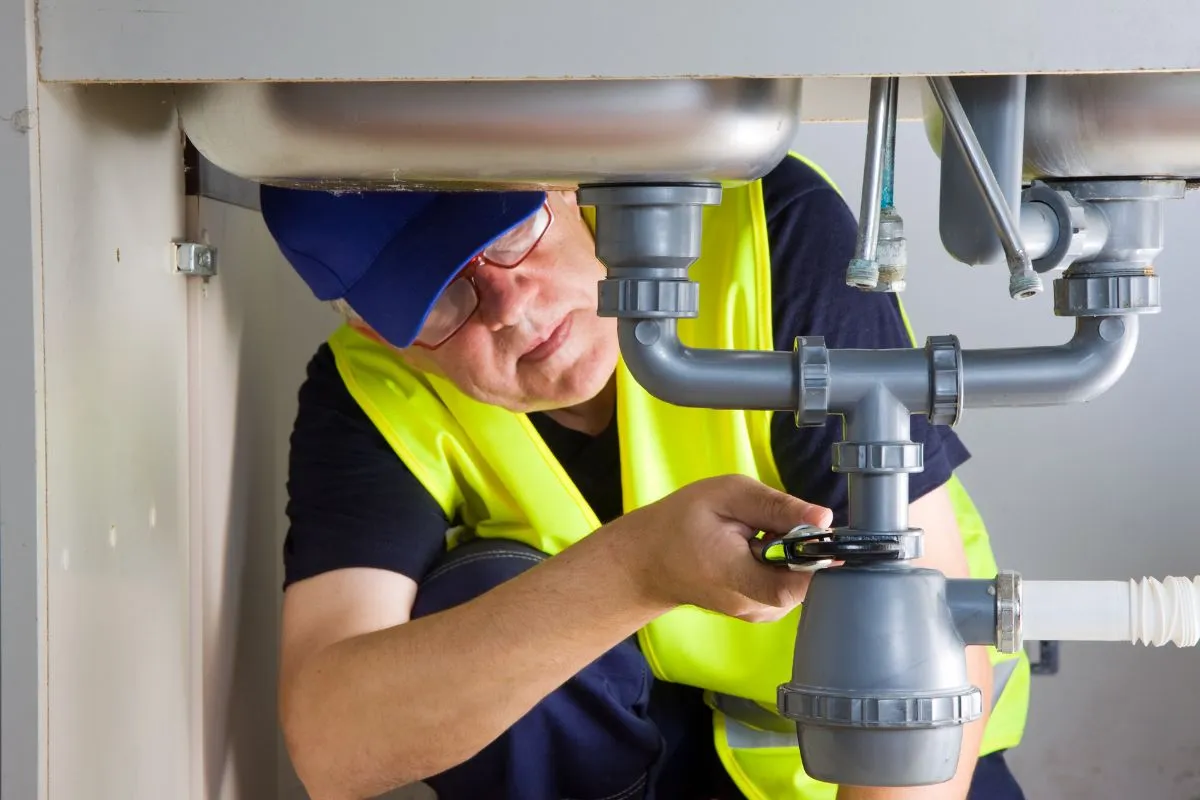
Locate the drain trap under your sink. Place a bucket underneath to catch water. Loosen the slip nuts on each end of the trap. Carefully remove it. Debris often collects here, causing blockages. Clean the trap thoroughly with a brush and soapy water. Reattach it, ensuring the nuts are tight. Run water to check for leaks. This simple maintenance step helps keep your drains flowing smoothly, preventing future clogs. Make this a regular part of your home care routine.
Preventive measures to keep drains clear
Implementing regular cleaning routines helps maintain clear drains. Use a mix of hot water and mild detergent weekly. Dispose of waste properly to avoid clogged drains. Never pour grease or coffee grounds down the sink. Install drain strainers in sinks and tubs to catch hair and debris. They prevent foreign objects from blocking pipes. These simple steps keep plumbing systems efficient and reduce the chance of costly repairs. Regular attention to these details ensures a smoothly running household, even with a hectic schedule. Your home remains clean and functional with these proactive measures.
Regular cleaning routines
Establishing a regular cleaning routine keeps your drains running smoothly. Flush hot water through your pipes weekly to break down minor clogs. Use a mixture of vinegar and baking soda monthly to prevent buildup. Clean your drain traps regularly to remove hair and debris. Always check for early signs of blockage. These practices save you time and prevent costly repairs. Keeping up with this routine ensures a clean and functional home environment, giving you peace of mind amidst your busy schedule.
Proper disposal of waste
Proper disposal of waste keeps your drains clear and prevents clogs. Follow these steps to ensure effective waste management at home:
- Avoid pouring cooking grease down the sink
- Dispose of food scraps in a compost bin
- Use a trash can for paper towels and wipes
- Install a garbage disposal for small food particles
- Flush only toilet paper in the toilet
- Clean drains regularly to remove buildup
Implementing these practices helps maintain a functional plumbing system.
Installing drain strainers
Installing drain strainers can prevent debris from entering your pipes, reducing clogged drain incidents. Choose a strainer that fits snugly in your sink or tub. These handy devices catch hair, food particles, and other debris. Clean the strainer regularly to maintain its effectiveness. This simple step keeps your plumbing system running smoothly. It’s an easy way to avoid future plumbing headaches.
When to call a professional plumber
Persistent clogs often require a professional plumber. If multiple drains back up simultaneously, it’s a clear sign. Unusual noises in pipes suggest deeper issues. When DIY efforts fail, it’s time to seek help. Expert drain services can save you time and prevent damage.
Persistent clogs despite DIY efforts
When your DIY efforts fail to unclog a drain, it signals a more serious issue. You might need professional help. Here are signs to consider:
- Water pooling around drains
- Gurgling noises from pipes
- Constant need to plunge
- Slow drainage in multiple fixtures
- Recurring odors despite cleaning
These indicate persistent clogs needing expert attention.
Multiple drains backing up
If you notice multiple drains backing up, it’s a clear sign of a serious clog in the main sewer line. This problem often arises from tree roots infiltrating pipes or accumulated debris. Don’t ignore this issue; ignoring can lead to extensive damage. Attempting DIY solutions might worsen the situation. Instead, contact a professional plumber who can use specialized equipment to clear the blockage. Ensuring quick action helps protect your home from potential water damage and costly repairs.
Hearing unusual noises from pipes
Hearing strange sounds from your pipes may signal a clogged drain. Pay attention to these noises and consider these actions:
- Gurgling sounds: Check for air trapped in pipes.
- Banging or rattling: Secure loose pipes or adjust water pressure.
- Whistling: Inspect for mineral buildup or obstructions.
- Hissing: Verify leaks or faulty valve issues.
Address these promptly to prevent further plumbing issues.
Questions and Answers
Why does my drain emit a bad smell?
Bacteria break down waste in pipes, releasing foul odors. Cleaning removes the source of the stink.
How can I tell if a slow drain is serious?
Consistent slow draining indicates a developing clog. Address it quickly to avoid a complete blockage.
What common objects block drains?
Hair, soap, and food particles often cause blockages. Avoid flushing non-biodegradable items.
When should I use a plunger?
Use a plunger when water drains slowly or the sink backs up. It’s a quick fix for minor clogs.
How do I prevent future clogs?
Install drain strainers and maintain regular cleaning routines. Proper waste disposal also helps.